
Implementing fire safety measures in outdoor living spaces is crucial for protection. From fire-resistant materials to sustainable water practices, safety and conservation must harmonize. By merging fire safety with water management, a holistic outdoor space strategy emerges. Explore the essential balance between safety and conservation for a well-rounded approach.
Key Takeaways
- Use fire-resistant landscaping materials to reduce fire risk.
- Implement a drip irrigation system for water-efficient fire safety.
- Have a rainwater harvesting system for firefighting emergencies.
- Choose drought-resistant plants to conserve water in outdoor spaces.
- Integrate water-saving fire safety measures for sustainable outdoor living.
Importance of Water Conservation
Water conservation in outdoor environments is a critical aspect of sustainable living practices, particularly in the context of fire safety for outdoor living spaces. Adequate water supply guarantees the ability to quickly extinguish fires and prevent their spread, safeguarding both property and lives. Implementing water-saving techniques like drip irrigation, mulching, and using drought-resistant plants can help maintain a sufficient water reserve for firefighting purposes.
Risks of Water Scarcity
In the context of fire safety for outdoor living spaces, the potential ramifications of water scarcity pose significant challenges to maintaining adequate resources for firefighting purposes.
- Decreased water availability can hinder firefighting efforts.
- Limited water supply may lead to difficulties in controlling fires.
- Water scarcity increases the risk of fires spreading rapidly.
Efficient Water Usage Tips
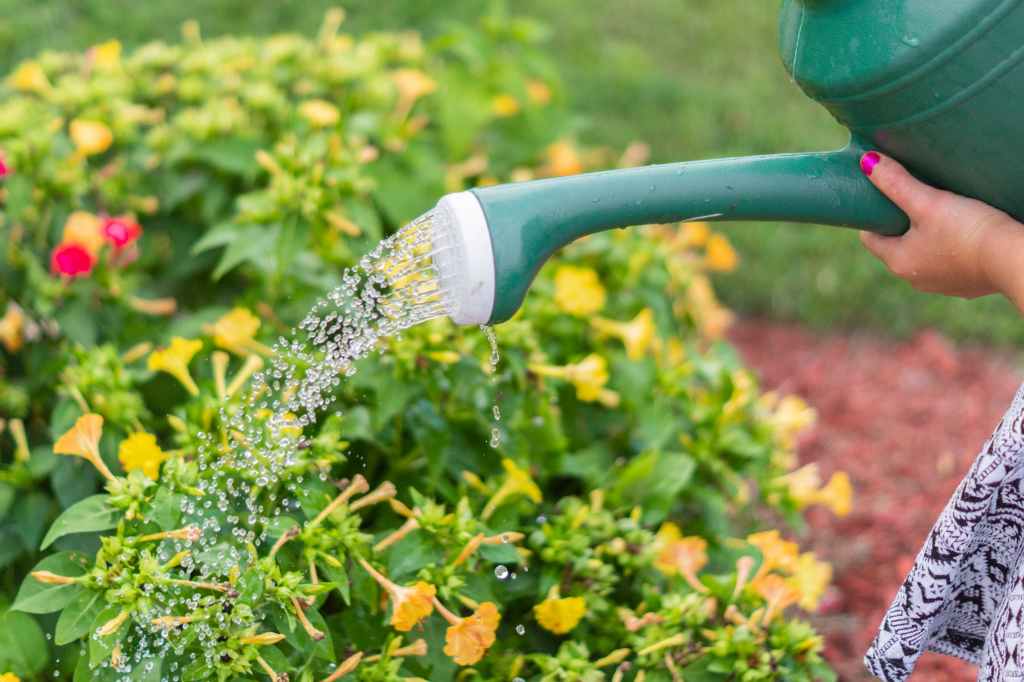
To optimize the conservation of this vital resource in outdoor environments, implementing strategic measures can greatly enhance water efficiency. Utilize drip irrigation systems to deliver water directly to plant roots, reducing waste from evaporation. Collect rainwater in barrels to use for watering plants and extinguishing small fires. Mulch around plants to retain moisture and minimize the need for frequent watering. These tips promote sustainable water usage in outdoor spaces.
Water-Saving Fire Safety Measures
Implementing fire safety measures that also promote water conservation is essential for maintaining a sustainable outdoor living space. To achieve this, consider the following water-saving fire safety measures:
1. Install a drip irrigation system for plants to reduce water waste.
2. Use fire-resistant landscaping materials that require minimal watering.
3. Utilize a rainwater harvesting system to supply water for fire emergencies.
Integrating Water Conservation Practices
Water conservation practices play an essential role in maintaining the sustainability and efficiency of outdoor living spaces. By integrating water-saving techniques such as using drip irrigation systems, collecting rainwater for irrigation, and choosing drought-resistant plants, outdoor areas can thrive while minimizing water usage. These practices not only help conserve water but also contribute to a more environmentally friendly and cost-effective outdoor living environment.
Conclusion
To sum up, integrating fire safety essentials with water conservation practices in outdoor living spaces is essential for protecting property and lives. By utilizing efficient water usage tips and implementing water-saving measures, such as drip irrigation systems and rainwater harvesting, outdoor environments can be both safe and sustainable. Prioritizing the combination of fire safety and water conservation not only mitigates risks but also contributes to creating a resilient and environmentally friendly outdoor space.
 Durapave Solutions